
90 Days.
Structure as Treatment.
A 90-day structured pilot program serving 5 people in recovery and 5 shelter dogs in Kansas City, Missouri — built on peer support, positive-reinforcement dog training, and transportation-supported access.
How the Program Works
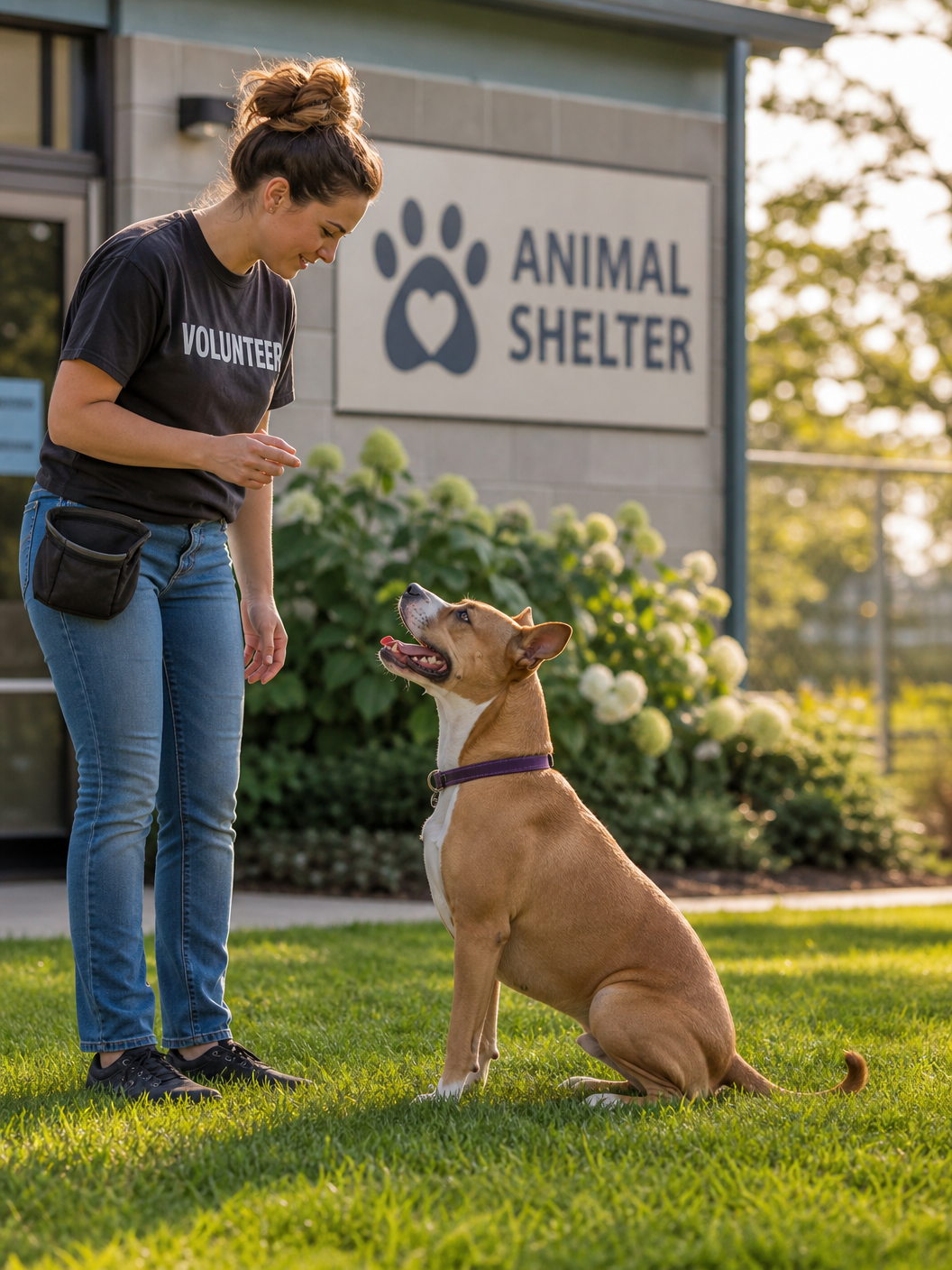
Resilient Tails pairs each participant in recovery with a specific shelter dog for the duration of the 90-day program. The pairing is intentional — the participant becomes that dog's primary enrichment provider, creating a bond of mutual accountability.
Transportation is provided to every session. This is not a courtesy — it is a structural necessity. The Missouri Substance Abuse Prevention and Treatment Task Force identified transportation as the leading barrier to treatment engagement. Resilient Tails removes that barrier by design.
Every session is trauma-informed, peer-led, and force-free. Participants are never coerced, shamed, or pressured. The program asks one question: "What does this person need to take the next right step?"
Four Core Program Methods
Peer Recovery Support
- →Certified Peer Specialists (CPS) guide recovery planning
- →Recovery meeting attendance support and accountability
- →Relapse prevention skill-building
- →Emotional regulation coaching
- →Weekly individual check-ins
Shelter-Dog Enrichment
- →Daily walking and exercise (minimum 30 minutes)
- →Basic obedience: sit, stay, focus, recall
- →Calm kennel exits and leash manners
- →Confidence-building exercises for fearful dogs
- →Socialization with people and environments
Positive-Reinforcement Methods
- →Force-free, reward-based training only
- →Treats, praise, and play as primary reinforcers
- →No punishment, aversives, or dominance-based methods
- →CCPDT Standards of Practice compliance
- →Supervised by trained volunteer dog trainers
Transportation-Supported Access
- →Reliable transportation to all program sessions
- →Addresses #1 barrier identified by Missouri Task Force
- →Removes the logistical excuse that derails recovery
- →Consistent pickup schedule builds routine
- →Reduces isolation and increases community connection
Weekly Program Schedule
Structure is the treatment. Every day has a purpose.
What Success Looks Like
Enroll 5 participants in active recovery
Partner with 1 Kansas City area animal shelter
Complete 90-day structured program cycle
Achieve 80%+ session attendance rate
Document measurable dog behavior improvements
Collect participant self-report outcome data
Establish peer support and transportation protocols
Build replicable model for future expansion
12-Month Implementation Plan
Partnership & Setup
- ✓Shelter MOU finalized
- ✓Participant screening complete
- ✓Transportation logistics confirmed
- ✓Staff and volunteer orientation
Soft Launch
- ✓First cohort begins
- ✓Weekly schedule activated
- ✓Peer support sessions start
- ✓Dog assignments made
Full Operation
- ✓All program elements running
- ✓Mid-point participant assessments
- ✓Dog behavior tracking ongoing
- ✓Workforce workshops begin
Evaluation
- ✓Final participant assessments
- ✓Dog outcome documentation
- ✓Budget reconciliation
- ✓Lessons-learned report
Reporting
- ✓Stakeholder presentation
- ✓Funder report submitted
- ✓Data shared with partners
- ✓Expansion planning begins
Expansion Planning
- ✓Second cohort design
- ✓Additional shelter partnerships
- ✓Grant applications submitted
- ✓Community awareness campaign
90-Day Pilot Budget
Total requested: $24,850
| Category | Item | Amount |
|---|---|---|
| Personnel | Program Coordinator (part-time, 20 hrs/week × 6 months) | $9,600 |
| Personnel | Certified Peer Specialist (part-time, 10 hrs/week × 6 months) | $4,800 |
| Transportation | Transportation support (5 participants × 6 months × $120/month) | $3,600 |
| Training | Dog training supplies (treats, leashes, clickers, mats) | $800 |
| Training | Volunteer trainer stipends (2 trainers × $200/month × 6 months) | $2,400 |
| Operations | Participant workbooks, journals, recovery materials | $500 |
| Operations | Workforce readiness workshop materials | $400 |
| Operations | Program evaluation tools and data collection | $350 |
| Operations | Liability insurance and background checks | $1,200 |
| Contingency | Contingency (10%) | $1,200 |
| Total | $24,850 | |
Five-Year Roadmap
The 90-day pilot is the foundation. The vision is a statewide model — "Paws for Purpose" — that scales across Missouri's recovery ecosystem.
_24b8535a.png)
Ready to Be Part of the Pilot?
Whether you're in recovery, a shelter partner, a volunteer trainer, or a funder — there is a role for you in making this pilot succeed.