Built from
Lived Experience.
Resilient Tails was founded by Joshua Rash — a person in recovery, a veteran advocate, a dog handler, and a prevention specialist in training. This program is not a theory. It is the product of walking the road himself.
"I didn't find recovery in a program. I found it in structure, in service, and in the unconditional presence of a dog who needed me as much as I needed her."
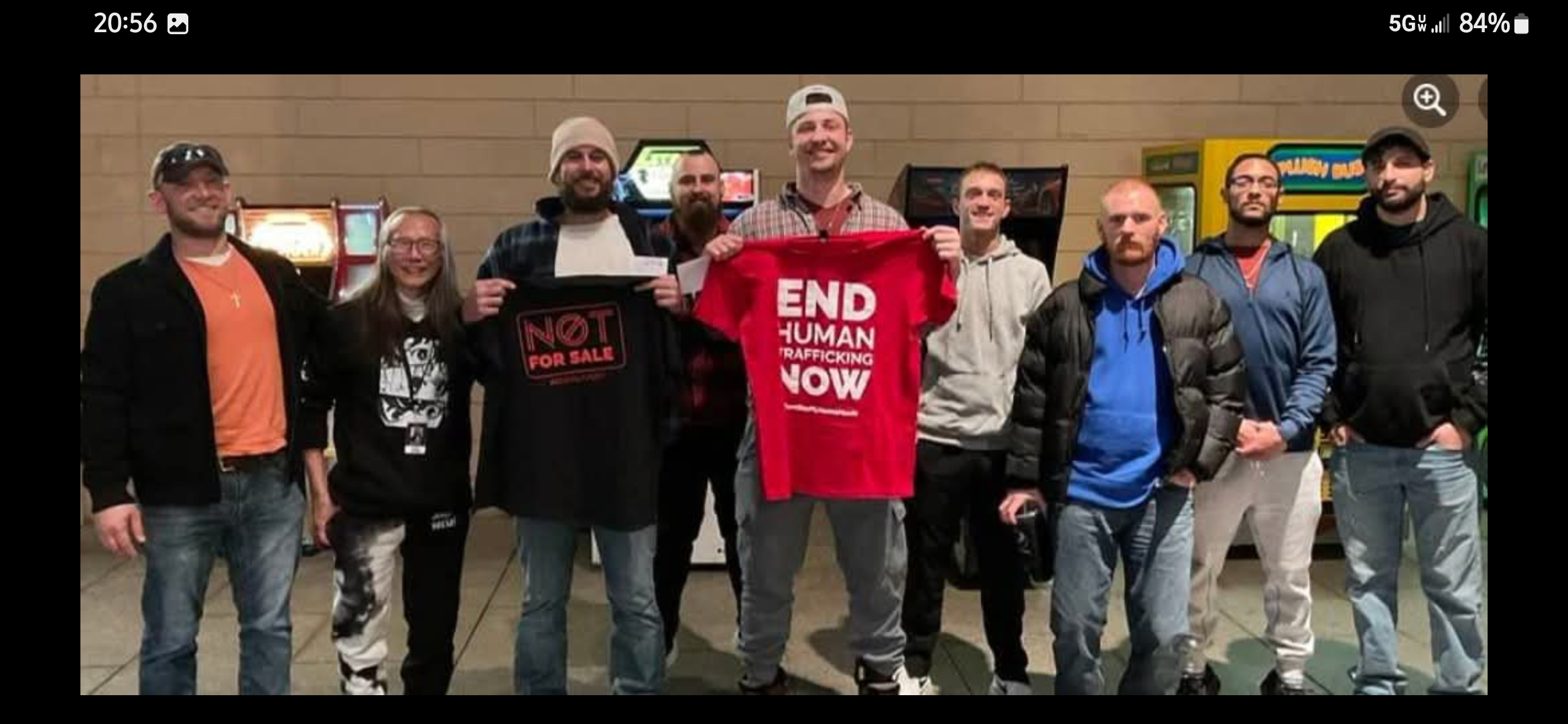

Joshua Rash
Rosey is Joshua's registered service dog — a Vizsla trained for medical alert and PTSD support. She is the living proof that the human-animal bond is not supplemental to recovery. It is structural.
Joshua Rash is a Kansas City, Missouri resident in active recovery. He is a prevention specialist in training, a peer recovery advocate, and a certified dog handler. His path to founding Resilient Tails was not linear — it was forged through personal experience with substance use disorder, housing instability, transportation barriers, and the isolation that so often accompanies early recovery.
What Joshua discovered in his own recovery was that structure was the treatment. Not structure imposed from outside — but structure built from purpose, from showing up for something that needed him. His service dog Rosey, a Vizsla registered for medical alert and PTSD support, became the anchor that made the difference.
Resilient Tails is Joshua's attempt to make that same anchor available to others — people who are in recovery, who face the same barriers he faced, and who might find in a shelter dog the same thing he found in Rosey: unconditional presence, a reason to get up, and a living reminder that second chances are real.
Resilient Tails empowers individuals in recovery to rediscover their drive, commitment, and sense of belonging through engaging shelter dogs in structured activities, fostering peer support, ensuring reliable transportation, and providing organized service opportunities.
To build a trauma-informed dual-impact recovery model where people in recovery and shelter dogs rebuild trust, stability, and purpose together.
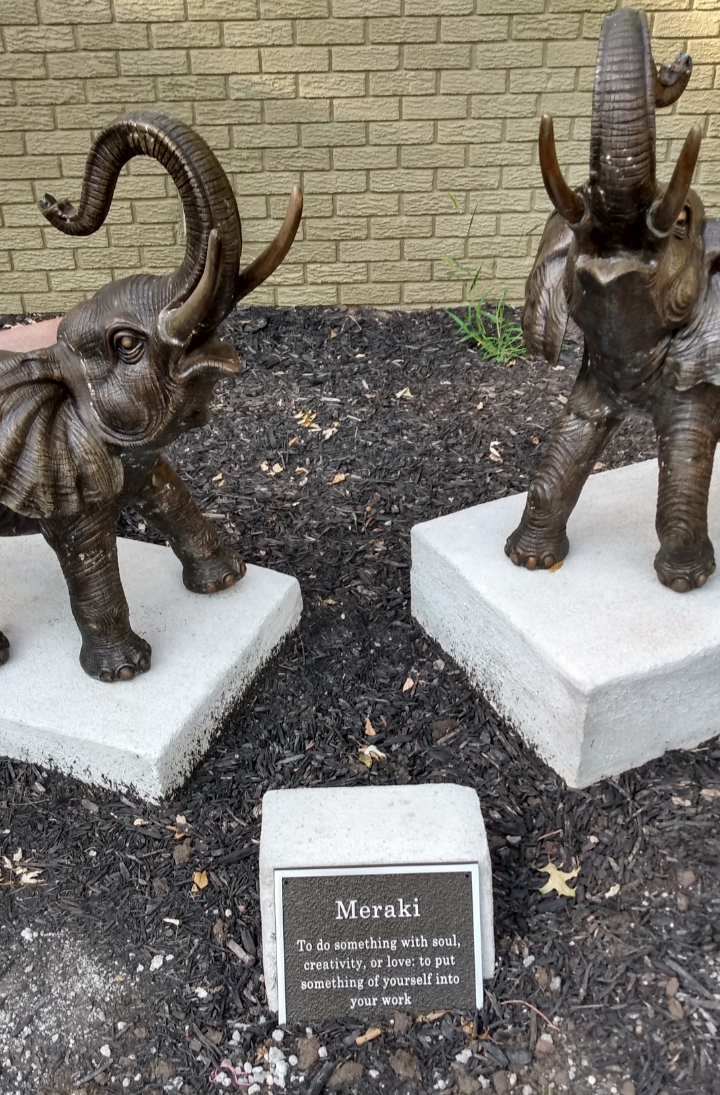
Meraki
"To do something with soul, creativity, or love; to put something of yourself into your work."
This is the spirit that animates Resilient Tails. Every session, every walk, every training repetition is an act of putting something of yourself into the work — and in doing so, finding something of yourself that recovery had not yet reached.
The program is not about dogs. It is not even about recovery, strictly speaking. It is about the transformation that happens when a person in recovery chooses to show up — fully, consistently, with soul — for another living being who needs exactly what they have to give.
The Human-Animal Bond
The National Institutes of Health (NIH) documents that human-animal interaction reduces cortisol levels, lowers blood pressure, and increases oxytocin — the same neurochemical pathways disrupted by chronic stress and substance use disorder.
Research by Ramirez (2019) found that shelter dogs who received structured enrichment training from volunteer trainers were 1.4 times more likely to be adopted than untrained dogs — and that the volunteer trainers themselves reported significant gains in confidence, responsibility, and sense of purpose.
Resilient Tails is built on this dual finding: the same structured interaction that helps a shelter dog become adoption-ready also helps a person in recovery build the skills, rhythms, and emotional regulation that recovery requires.
Source: Ramirez, K. (2019). An Evaluation of a Shelter Dog Training Class: Outcomes for Volunteer Trainers and for Dogs. · NIH Human-Animal Interaction Research Program Overview.


Trauma-Informed by Design
Every element of Resilient Tails follows SAMHSA's six trauma-informed care principles — not as a checklist, but as a way of being with participants.
Safety
Every session is designed so participants feel physically and emotionally safe.
Trustworthiness & Transparency
Clear expectations, honest communication, and no hidden agendas.
Peer Support
Certified Peer Specialists with lived experience guide the process.
Collaboration & Mutuality
Power is shared. Participants shape their own recovery journey.
Empowerment & Choice
Participants build skills, voice, and agency — not dependency.
Cultural, Historical & Gender Issues
The program honors identity, background, and individual context.
SAMHSA's Four Dimensions of Recovery
Resilient Tails directly addresses all four dimensions that SAMHSA identifies as essential to sustained recovery.
Home
Stable, safe housing as a foundation for all other recovery work.
Health
Managing symptoms and making choices that support physical and emotional wellbeing.
Purpose
Meaningful daily activities — work, school, caregiving, creativity, service.
Community
Relationships and social networks that provide support, friendship, and belonging.
Aligned with Recovery Principles
Resilient Tails does not replace 12-step programs or any recovery fellowship. It reinforces the same principles through structured action.
Logs, check-ins, self-assessment
Visible progress in participant and dog
Accepting support and instruction
Learning from trainers, peers, and feedback
Showing up for another living being
Repeated care routines
Helping shelter dogs become more adoptable
Measurable commitments and follow-through
Why Missouri. Why Now.
Missouri's 2025 Behavioral Health Annual Report documents that 20.5% of Missouri adults had a substance use disorder in the past year — and 9.6% had both a substance use disorder and any mental illness.
The Missouri Substance Abuse Prevention and Treatment Task Force identified transportation and housing instability as the leading barriers to treatment engagement. Resilient Tails directly addresses transportation by building it into the program model — not as an afterthought, but as a core structural element.
Kansas City's shelter system faces the same challenge every urban shelter faces: dogs who have been in kennels too long become harder to adopt. Resilient Tails turns that challenge into an opportunity — giving shelter dogs the enrichment they need while giving people in recovery the structure they need.
_341b8317.png)
Recovery Infrastructure Strategy
Joshua Rash's strategic framework for addressing Missouri's recovery infrastructure gaps — transportation, housing, peer support, and workforce readiness.
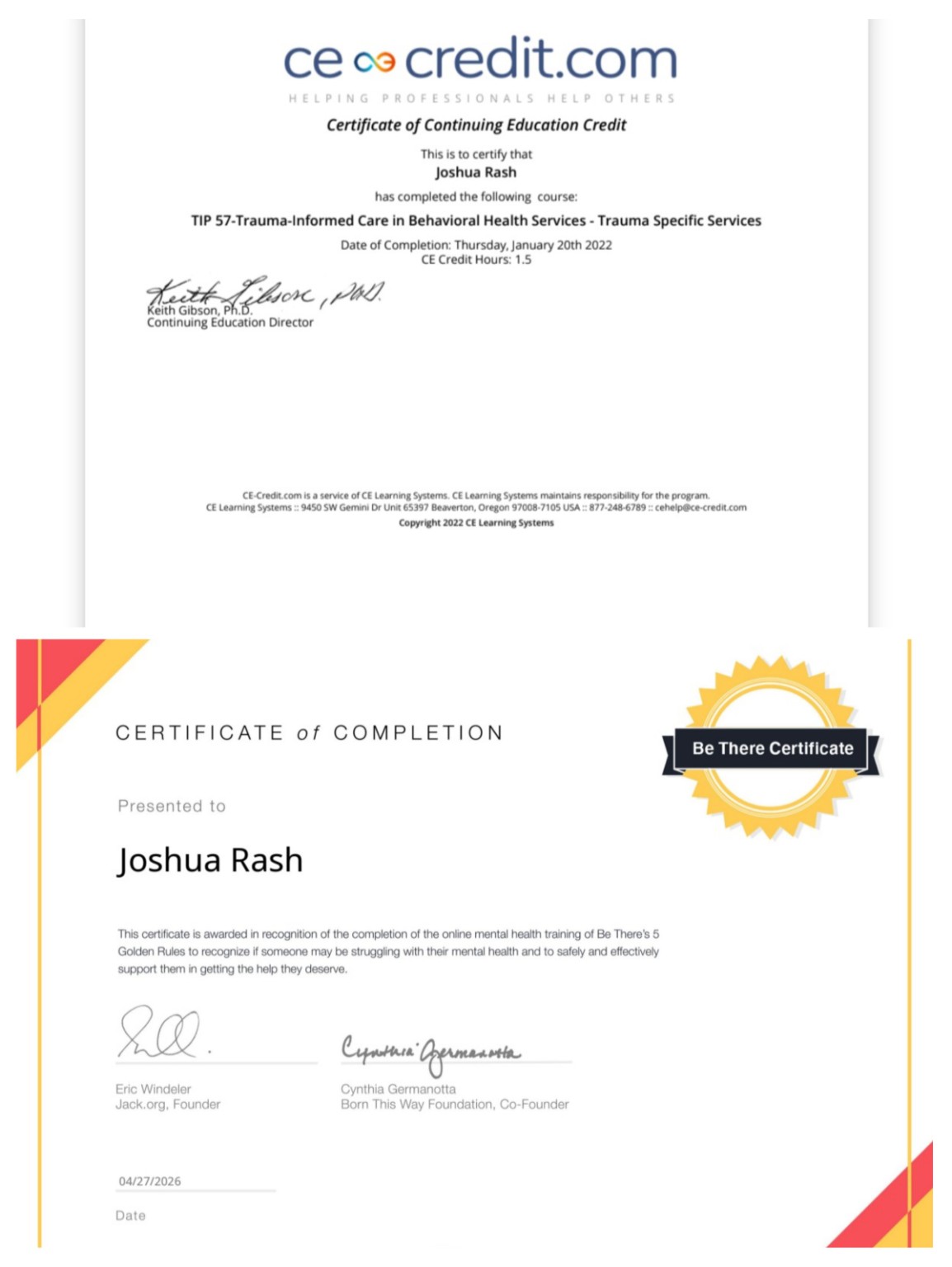
View full credentials →What Resilient Tails Is — and Is Not
Resilient Tails is a peer-support and enrichment program. It does not provide clinical treatment, therapy, medication management, or medical services of any kind.
Participants are expected to remain engaged with their existing clinical care, recovery meetings, and treatment providers. Resilient Tails is designed to complement — never replace — professional clinical support.
The dogs in the program are shelter dogs, not service animals or therapy animals under ADA definitions. All dog interactions follow positive-reinforcement, force-free training methods consistent with CCPDT standards of practice.
Ready to Learn More?
Explore the full program structure, Joshua's credentials, or reach out to get involved.