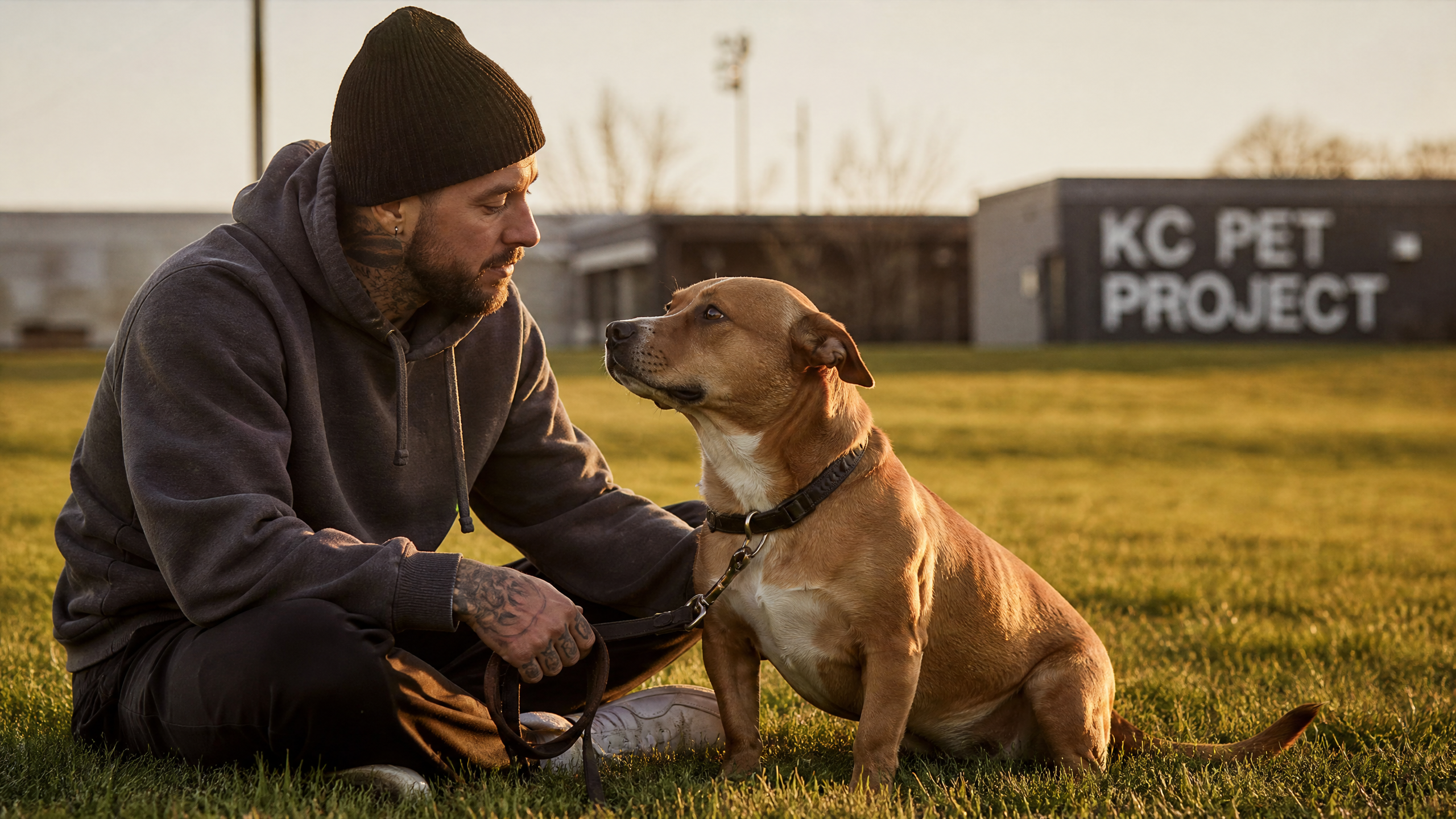
Rebuilding Lives
One Dog at a Time
Resilient Tails is a trauma-informed, transportation-supported recovery initiative that pairs people in recovery with shelter dogs — creating structure, purpose, and second chances for both.
"Resilient Tails rebuilds lives through structure, service, and second chances — one person, one dog, one step at a time."
Missouri's Crisis.
Our Response.
of Missouri adults had a substance use disorder in 2025
had both a substance use disorder and any mental illness
more likely to be adopted — dogs who received enrichment training
days — pilot program length serving 5 people and 5 dogs
Sources: Missouri 2025 Behavioral Health Annual Report · Missouri Substance Abuse Prevention and Treatment Task Force · Ramirez, An Evaluation of a Shelter Dog Training Class (2019) · SAMHSA Recovery Definition and Dimensions
Two Lives Changed.
One Program.
People in recovery and shelter dogs share the same core needs: structure, trust, consistency, emotional regulation, and safe relationships. Resilient Tails addresses both through one integrated model.
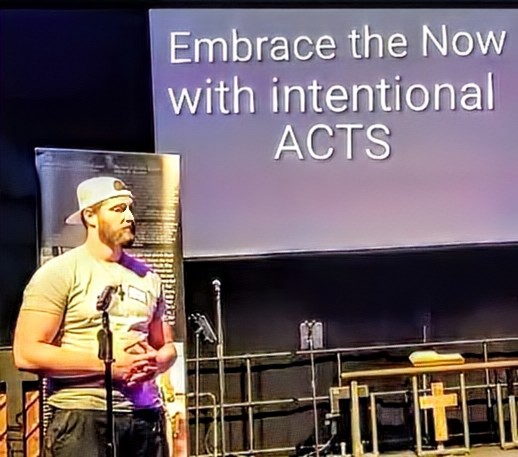
For People in Recovery
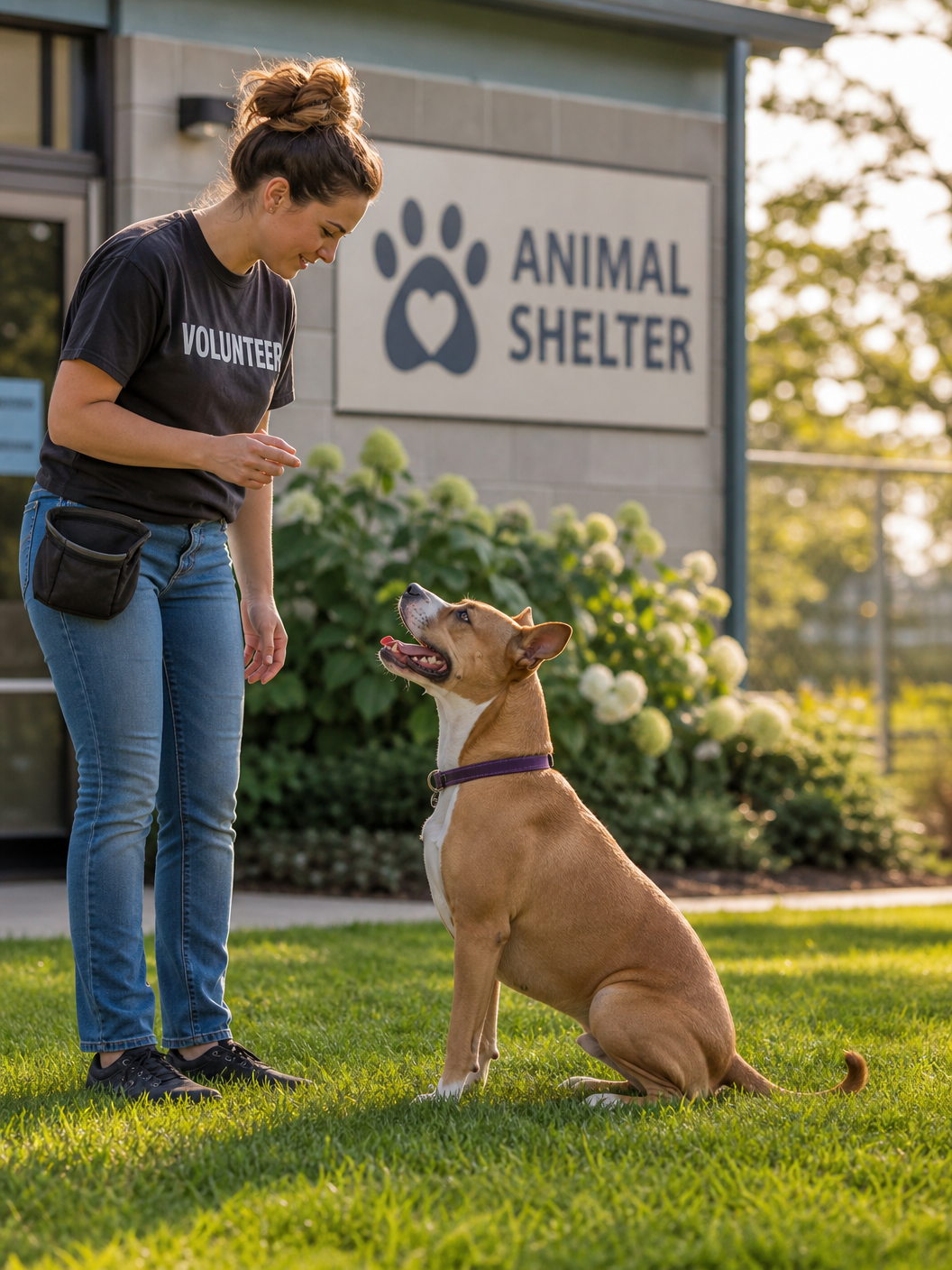
For Shelter Dogs
Structure Is the Treatment.
The program does not replace treatment, therapy, medication, recovery meetings, or clinical care. It strengthens recovery by turning service into structure.

Peer Recovery Support
Certified Peer Specialists guide recovery planning, meeting attendance, relapse prevention, and emotional regulation.
Shelter-Dog Enrichment
Participants provide walking, basic obedience, calm kennel exits, leash manners, and confidence-building exercises.
Positive-Reinforcement Methods
Force-free, reward-based training using treats, praise, and play — supervised by trained volunteer dog trainers.
Transportation-Supported Access
Reliable transportation removes the #1 barrier to treatment engagement identified by Missouri's Task Force.
Trauma-Informed at Every Step
Following SAMHSA's six trauma-informed principles, every interaction in Resilient Tails is designed to ask: "What happened, what helps, and what structure supports the next right step?"
Ready to Be Part of This?
Whether you're in recovery, a shelter partner, a volunteer, or a community supporter — there is a place for you in Resilient Tails.